


What It Means for the Entire Supply Chain
A Landmark Investment Signals a New Era for Southern Manufacturing
I’ve been watching the manufacturing landscape in the Southeast for a long time, and the end of 2025 delivered one of the most significant announcements I’ve seen in years.
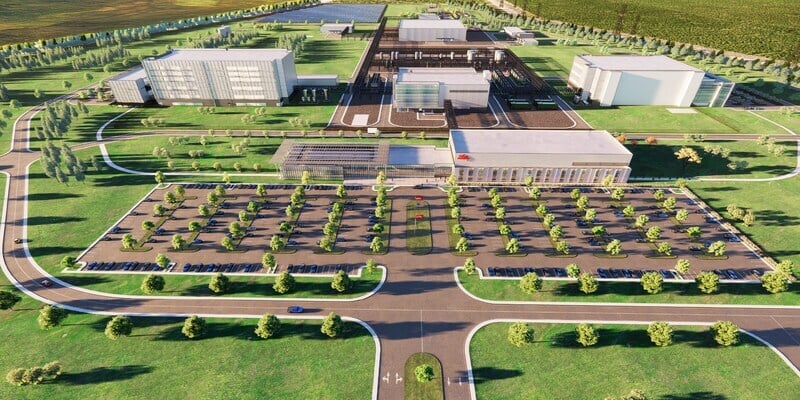
Eli Lilly unveiled plans to invest $6 billion in a new manufacturing campus in Huntsville, Alabama. This is not just another factory. It is a 100-acre, next-generation facility focused on producing active pharmaceutical ingredients, with 450 high-paying, permanent jobs attached to it.
When a company like Lilly makes a move at this scale, it is not just about headcount. It is a long-term bet on a region. Lilly’s CEO, David Ricks, pointed to Huntsville’s track record in science, innovation, advanced manufacturing, and workforce development. That statement matters, because it reflects decades of investment by manufacturers, educators, and operators who have been quietly building real capability across the Southeast.
Paired with TempraMed opening a new facility in Florida to support the same class of medications, this announcement reinforces something many of us have been seeing firsthand. Onshoring is no longer theoretical. It is happening, especially in high-value, high-regulation industries like pharmaceuticals and medical devices.
Why This Investment Matters Right Now
This decision did not happen in a vacuum.
The last few years exposed just how fragile global supply chains can be, especially for critical products like medicines. For decades, the U.S. relied heavily on overseas production for active pharmaceutical ingredients. The pandemic made the risks of that strategy impossible to ignore.
What I am seeing now, across conversations with customers and partners, is a clear shift. Manufacturers are prioritizing resilience, predictability, and control. Onshoring API production is not just a political or economic statement. It is a risk-management strategy.
Companies want suppliers they can visit, systems they can trust, and partners who understand what downtime really costs when lives are involved.
That creates a real opportunity for manufacturers in Alabama and Florida who are willing to meet the bar.
The Ripple Effect for Alabama Manufacturers
A $6 billion facility does not operate in isolation.
It depends on an ecosystem of suppliers, integrators, and service partners to function at scale. For every direct job created inside the plant, there are downstream opportunities across the region.
In practical terms, I see immediate demand emerging in areas like:
-
Precision machining and fabrication
Pharmaceutical manufacturing requires highly specialized components built to exacting standards. -
Automation and robotics
A next-generation facility will rely heavily on automation, from material handling to inspection and process control. -
Packaging and logistics
These products must move safely, securely, and compliantly from plant to patient. -
Maintenance and reliability
When a facility represents a multi-billion-dollar investment, unplanned downtime is simply not acceptable.
From Mobile to Montgomery and beyond, manufacturers who understand regulated environments and reliability expectations will have a seat at the table.
The Opportunity for Florida Manufacturers
Even though this facility is in Alabama, the impact will not stop at the state line.
Florida’s growing life sciences and medical device sector is a natural extension of this supply chain. The TempraMed investment is a strong signal of that connection. As pharmaceutical production expands across
the Southeast, Florida-based manufacturers will see opportunities in:
-
Medical device manufacturing, supporting drug delivery and diagnostics
-
Advanced packaging, including temperature-controlled and tamper-evident solutions
-
Logistics and distribution, leveraging Florida’s ports and infrastructure
This is how regional manufacturing ecosystems form, not through isolated wins, but through interconnected capability.
How Manufacturers Can Prepare Now
The companies that benefit most from this shift will be the ones that prepare before the phone rings.
If I were running a facility in Alabama or Florida, these are the questions I would be asking today:
Do we have the quality systems required for pharma or medical devices?
These industries demand rigorous quality management, documentation, and traceability. Investing now in systems, certifications like ISO 13485, and process control builds credibility before you need it.
Is our operation reliable enough to be a critical supplier?
In pharmaceutical supply chains, downtime is not an inconvenience. It is a failure. Predictive maintenance, condition monitoring, and reliability-focused automation are no longer optional.
Where can automation improve consistency and reduce risk?
Manual processes introduce variation. Automated inspection, robotic handling, and data-driven controls create the repeatability these industries expect.
This is the work we do every day. We help manufacturers evaluate where they stand, identify gaps, and implement automation and reliability solutions that support long-term growth in regulated, high-stakes environments.
The reshoring of American manufacturing is real, and the Southeast is positioned to benefit. The manufacturers who invest in their people, processes, and technology now will be the ones who capture that upside.
If you want to talk through what this opportunity could look like for your facility, we are always up for the conversation.
- Nate
