


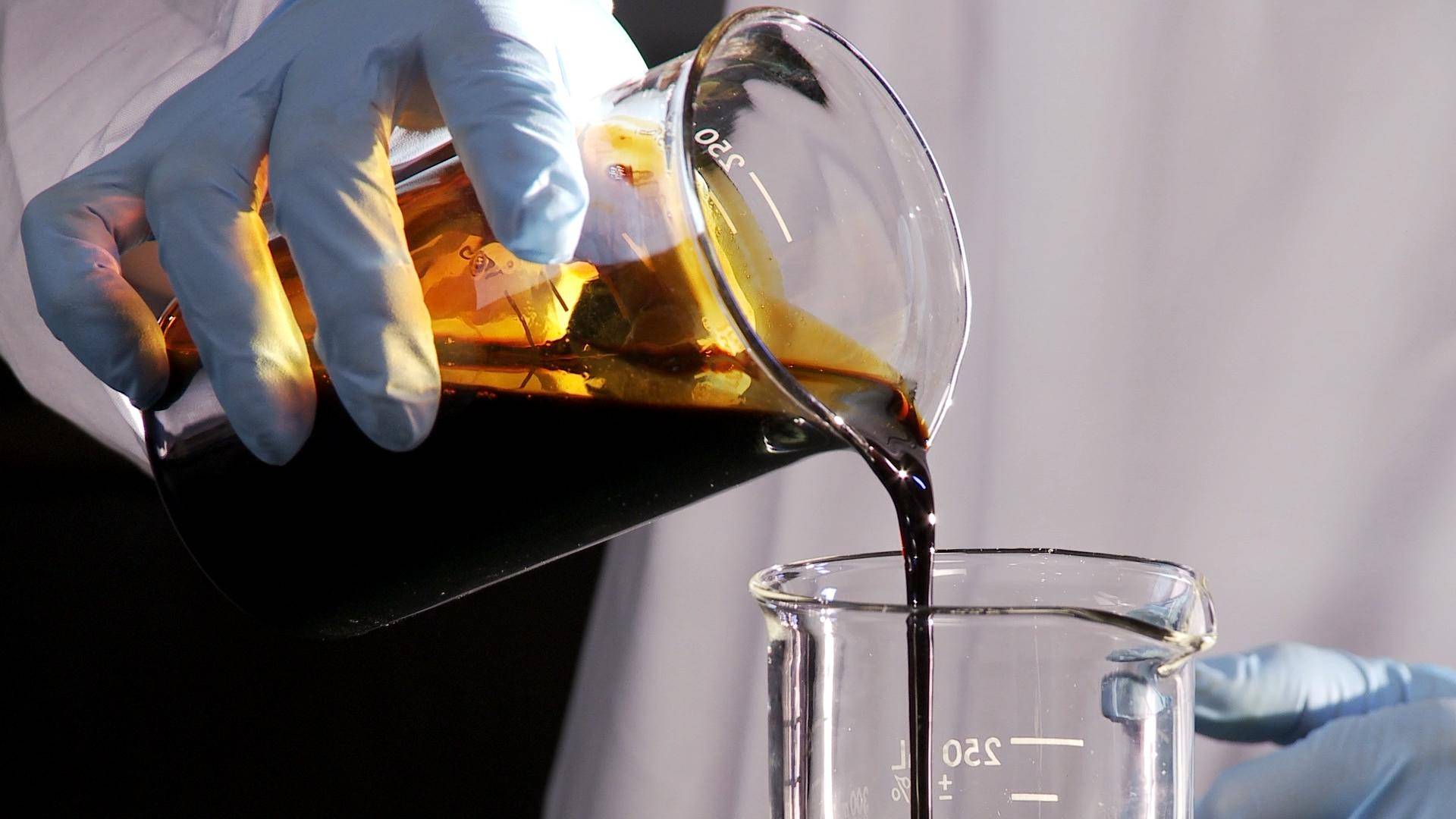
- New oil from the refinery picks up massive amounts of dirt and moisture before it reaches your plant.
- ISO cleanliness codes measure microscopic particulate contamination; every time the code increases by one, the dirt in your system doubles.
- You must pre-filter new oil and use advanced technologies like vacuum dehydration and ion exchange resin to remove water and varnish.
If your hydraulic valves are sticking or your pumps are failing prematurely, the problem is almost certainly your oil. Up to 80% of hydraulic system failures are caused by contamination.
The common mistake maintenance teams make is assuming that new oil is clean oil. They crack open a new drum or tote and pump it directly into the reservoir. But from the time that oil leaves the refinery to the time it reaches your facility, it changes hands seven to eight times. It picks up massive amounts of dirt and moisture along the way. If you are putting unfiltered new oil into your system, you are actively destroying your equipment.
Here is what actually works: measuring your oil cleanliness with ISO codes and using the right filtration technology to remove particulates, water, and varnish.
Understanding ISO Cleanliness Codes
You cannot trust your eyes to determine if oil is clean. If you hold a sample bottle up to the light and can see dirt, the system is already catastrophically contaminated.
Industry standards use ISO 4406 cleanliness codes to quantify solid particulate contamination. It uses a laser particle counter to measure the concentration of particles per milliliter of oil at three specific sizes: 4-micron, 6-micron, and 14-micron (e.g., an ISO code of 16/14/11).
The critical thing to understand is that the ISO code is a logarithmic scale. Every time an ISO code number increases by one (e.g., going from an 11 to a 12), the amount of dirt in the system doubles. Equipment manufacturers provide a maximum allowable ISO code for their components. Your job is to filter the oil to stay at or below that target limit.
The Hidden Enemies: Water and Varnish
Solid particulates act like sandpaper against metal components, generating more microscopic metal shavings in a chain reaction of wear. But dirt is only one enemy.
Water Contamination
Moisture enters the system through standard reservoir breathers or faulty seals. While standard water-absorbing filters can handle small amounts of free water, they are not enough for serious contamination. The best overall method for water removal is vacuum dehydration. It heats the oil and pulls a vacuum, flashing the water into vapor. It removes dissolved, emulsified, and free water without damaging the oil or stripping its additive package.
Varnish
Extreme temperatures and pressure fluctuations cause the chemical breakdown of the oil, leading to the creation of varnish. Varnish plates out onto internal metal surfaces, causing valves to stick and systems to overheat. The most effective way to mitigate varnish is using resin technology (ion exchange). Resin beads target and remove the dissolved oxidation byproducts from the oil before they can plate out. Because oil wants to reach equilibrium, cleaning the oil with resin will actually force existing varnish to dissolve off internal machine surfaces back into the oil, effectively cleaning the inside of the machine.
How to Protect Your System
- Never put unfiltered new oil into a system. Always use a filter cart to pre-filter new oil before adding it to a reservoir.
- Use high-quality, non-unloading filters. Poor quality filters will flex and release trapped dirt back into the system during pressure surges. Use filters with a high Beta Ratio that hold their shape under dynamic stress.
- Sample correctly. Oil samples must be taken from active, flowing lines to get a representative sample. Taking oil from the dead bottom of a reservoir will yield inaccurate results.
If you are struggling with high ISO codes or sticking valves, we can help you implement a total system cleanliness program.
-Nate
